
Did you know a single female pest can lay up to 500 eggs in her lifetime? These tiny insects hide in small cracks during the day. They come out to bite at night. Finding them in your bedroom is stressful and needs quick action.
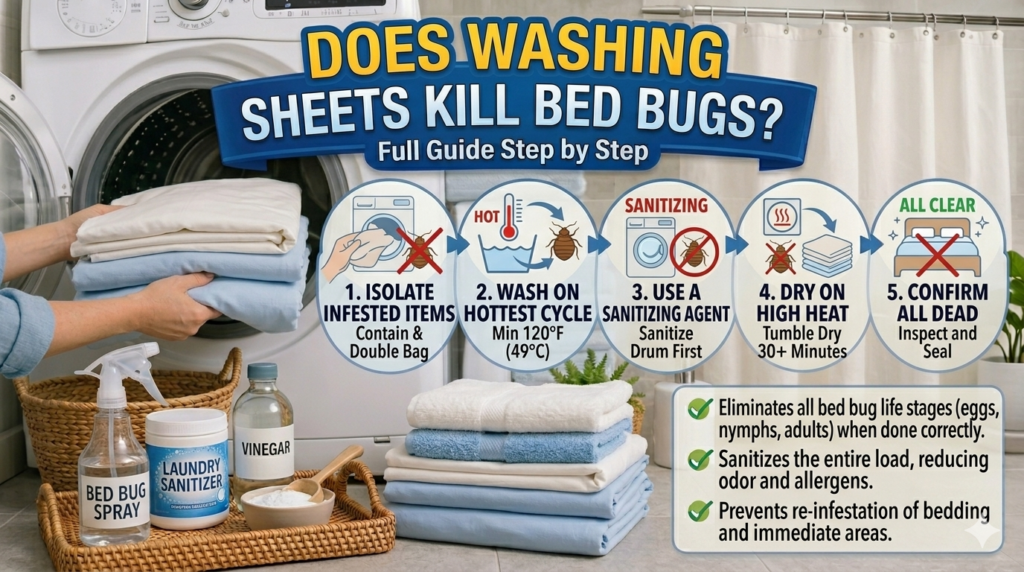
Many wonder, does washing sheets kill bed bugs? High heat is very effective, but just washing your sheets isn’t enough. You might also ask, does washing sheets get rid of bed bugs for good? The truth is, bed bugs often hide in places like mattresses or furniture frames where water can’t reach.
To keep your home safe, you need a systematic approach. Relying on just one cleaning step often lets survivors start the cycle again. You must use heat treatments, do thorough checks, and get professional help to win the battle.
Key Takeaways
- High heat is necessary to eliminate these pests effectively.
- Laundry alone is not a complete solution for an infestation.
- These insects hide in cracks and crevices beyond your bedding.
- A multi-step strategy is required for total home protection.
- Early detection significantly improves your chances of success.
Understanding the Science of Heat and Bed Bugs
Many people wonder, will washing sheets get rid of bed bugs. The answer is in the biology of these pests. Adult bed bugs are small, reddish-brown insects, about 1/4 inch long. They hide in tight spots, making them hard to clean.
But, these insects have a big weakness: they can’t survive extreme temperatures. By controlling the heat, you can stop their life cycle and get rid of them from your sheets.
The Thermal Death Point of Bed Bugs
To get rid of bed bugs, you need to hit the thermal death point. Studies show bed bugs and their eggs die at temperatures over 120°F (49°C). So, using high-heat settings is key.
If the temperature is too low, bed bugs might just hide or move to cooler spots. But, constant, intense heat kills even the hidden eggs.
Why Heat is More Effective Than Chemicals for Bedding
Chemical sprays might work on furniture, but they’re not as good for things that touch your skin. Heat is a direct, non-toxic solution that gets deep into fabric. It also doesn’t leave harmful residue on your sheets.
Here’s why heat is better for bedding:
| Feature | Heat Treatment | Chemical Treatment |
|---|---|---|
| Penetration | Deep fiber reach | Surface contact only |
| Safety | Non-toxic | Potential irritants |
| Speed | Immediate kill | Delayed effect |
| Residue | None | Chemical buildup |
Does Washing Sheets Kill Bed Bugs
If you’re wondering if washing sheets can kill bed bugs, you’re on the right path. Many think just washing and soap can get rid of them. But, the truth is, heat is the main factor in getting rid of them.
Washing machines do help shake bugs loose. But, it’s the heat that really kills them. Knowing how different settings affect bed bugs is key to success.
The Role of Water Temperature in Pest Control
When you ask if washing sheets can kill bed bugs, the answer is mostly about water temperature. Bed bugs can’t handle extreme heat, which messes with their bodies. Consistent exposure to high heat is needed to kill them all, including eggs and nymphs.
Hot water is a good start to clean your sheets. Set your machine to the hottest setting. This makes a hostile environment for pests. It’s a critical step before moving items to the dryer.
Limitations of Standard Cold Water Cycles
Today’s laundry cycles often use cold or lukewarm water to save energy. Sadly, these settings are completely ineffective against bed bugs. Cold water doesn’t get hot enough to kill them.
Using cold water might spread bed bugs around your home. They can survive a cold wash and might move to the dryer or laundry basket. Always choose high-heat settings to kill bed bugs for good.
| Water Setting | Effect on Bed Bugs | Recommended Action |
|---|---|---|
| Cold Water | None (Bugs survive) | Avoid for infested items |
| Warm Water | Minimal impact | Not recommended |
| Hot Water | High mortality rate | Use for all infested linens |
Preparing Your Bedroom for the Laundry Process
Moving infested linens needs a careful approach to keep bugs from spreading in your home. When you find an infestation, your main goal is to contain the pests. Proper preparation helps keep the problem in one place while you find a solution.
Safely Removing Infested Linens
First, collect all bed sheets, comforters, and pillowcases from the affected area. It’s important not to shake these items. Shaking can cause bugs or eggs to fall and hide in your carpet or furniture. Instead, gently lift the linens and put them in heavy-duty plastic garbage bags.
After putting the items in, seal the bags tightly with tape or a secure knot. This immediate containment stops any bugs from escaping while you move the laundry. Keeping the bags sealed until the end helps you control the situation.
Preventing Cross-Contamination in Your Home
The trip from your bedroom to the laundry room is risky for spreading pests. Try not to drag the bags across floors or through common areas like hallways. If you can, carry the sealed bags carefully to avoid any bugs escaping.
Also, think about wiping down the path you take with a vacuum or cleaning solution if bugs might have fallen. Staying organized during this time is key to effectively solving the problem. The aim is to keep the infestation in the laundry equipment, where heat can kill the bugs.
Sorting and Handling Infested Bedding
Sorting your bedding is the first step in fighting bed bugs. Organizing your laundry helps your heat treatment work better. It also keeps your favorite fabrics safe from damage. Taking a few extra minutes to prepare will save you stress later.
Categorizing Fabrics by Heat Tolerance
Not all materials handle high temperatures the same. Check your bedding’s care labels before starting. Grouping items by fabric type helps you use the right heat for each.
Some items might not handle high heat well. You might need to treat them differently. But most bedding can handle the heat needed to kill pests. Always focus on the thermal requirements to get rid of the pests, even if it means your fabric might not last as long.
Using Sealed Bags for Transporting Linens
Moving infested items from the bedroom to the laundry room is risky. Use sealed plastic bags to prevent pests from spreading. Make sure the bags are thick and have no holes or tears.
After emptying the bags into your washing machine, seal them again. Then, throw them away in an outdoor trash bin. Never reuse these bags for clean laundry. This simple step is a critical defense against pests in your home.
Step by Step Guide to Washing Sheets with Bed Bugs
Learning how to wash sheets with bed bugs properly can save you from a recurring nightmare. Before you start, inspect your mattress. Use a stiff scrub brush to remove eggs from mattress seams and other shallow cracks and crevices. This ensures you’re not just cleaning the linens but also addressing the infestation’s source.
Selecting the Correct Detergent and Water Settings
When figuring out how to wash bed bug sheets, the water temperature is key. Always choose the hottest setting on your washing machine. Most household detergents work well at high temperatures, so you don’t need special chemicals.
“Heat is the ultimate weapon against bed bugs. If you can maintain a high enough temperature during the wash and dry cycle, you effectively eliminate the entire life cycle of the pest.”
Managing Load Sizes for Maximum Agitation
It’s tempting to wash all your bedding at once to save time, but this is a major mistake. Overloading your machine prevents the necessary agitation needed to dislodge pests and eggs from fabric fibers. You must keep your load sizes small to ensure every item is fully submerged and exposed to hot water.
Proper water circulation allows the detergent to penetrate deep into the weave of your sheets. If the machine is too full, the water cannot move freely, leaving gaps where pests can survive. Follow the guidelines below to ensure your laundry process is as effective as possible.
| Setting | Recommendation | Purpose |
|---|---|---|
| Water Temperature | Hot (140°F+) | Thermal elimination |
| Load Size | Small to Medium | Maximum agitation |
| Cycle Length | Long/Heavy Duty | Deep cleaning |
| Detergent | Standard | Fabric sanitation |
The Critical Role of the Dryer in Eliminating Pests
Many homeowners often ask, “will washing sheets kill bed bugs?” While washing can remove some pests, it’s not enough to kill them all.
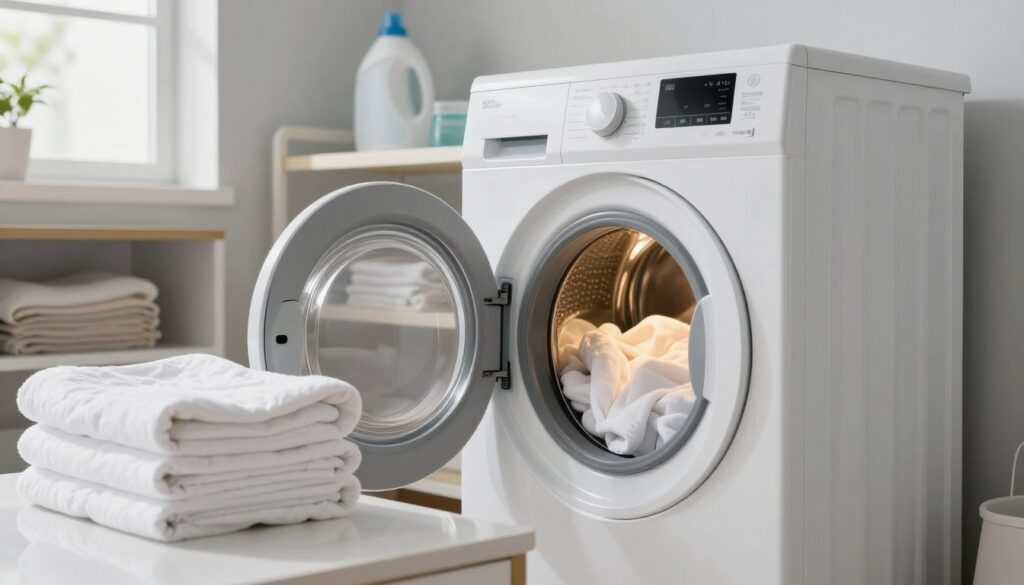
The dryer’s high-heat environment is key. It makes sure no bed bugs survive in your bedding.
Why Drying is More Important Than Washing
Water temperature alone can’t reach the deep fibers of heavy linens. Sustained heat is needed to kill bed bugs at every stage.
Washing alone might miss eggs that hatch later. The dryer’s dry heat is more effective than washing alone.
Setting Your Dryer to High Heat Cycles
To get the best results, use the highest heat setting in your dryer. Make sure items stay in for at least 20 minutes.
Wondering if washing sheets kill bed bugs? Here’s a comparison of laundry methods:
| Method | Heat Level | Effectiveness | Primary Benefit |
|---|---|---|---|
| Cold Wash | Low | Minimal | Removes surface debris |
| Hot Wash | Medium | Moderate | Cleans and sanitizes |
| High-Heat Dryer | Very High | Maximum | Kills all life stages |
How to Wash Bed Sheets with Bed Bugs Using Commercial Machines
Many people wonder how to wash bed sheets with bed bugs when they don’t have heavy-duty appliances at home. Standard machines can help, but they often can’t reach the high temperatures needed. If you’re asking if can washing sheets kill bed bugs, the answer is yes, with the right equipment and heat.
Benefits of Laundromat Equipment
Laundromats have industrial-grade dryers that get much hotter than home units. These machines are built for lots of use, which means better airflow and heat. Consistent high heat is key to killing adult pests and their eggs in the wash.
Also, commercial washers and dryers have bigger drums. This means your linens can move around freely, getting heat all over. This agitation is vital to kill any pests.
Ensuring Proper Sanitation of Public Machines
First, put your infested items in tightly sealed plastic bags to stop pests from spreading. Check the washer and dryer for debris or bugs. Clean the drum with a sanitizing wipe for a clean start.
After washing, put your clean items in fresh, sealed bags for the trip home. Don’t put your bedding on public folding tables to avoid picking up pests. By taking these careful steps, you can treat your items safely without bringing bugs home.
Post-Wash Storage and Re-Infestation Prevention
After learning how to wash bed sheets with bed bugs, you might feel relieved. But, your work is not quite finished yet. You must store your clean linens in a way that prevents pests from finding a new home.
Inspecting Your Mattress Before Remaking the Bed
Before putting fresh, hot-dried sheets on your bed, examine the mattress. Even if you know how to wash bed sheets with bed bugs well, the mattress can hide survivors. Use a flashlight to check seams, tufts, and corners for signs of pests or dark spots.
If you find any pests, vacuum the area well or treat the mattress as advised. Never put clean bedding on a mattress with suspected infestation. This step ensures your hard work is not undone.
Using Protective Encasements for Long-Term Defense
The best way to protect your bed is with a high-quality, zippered mattress encasement. Choose products labeled “for bed bugs” for a tight-locking zipper that keeps pests out.
After installing the cover, keep it on for at least 12 months. This time is key to starve any trapped bugs and prevent new ones from nesting. Always store extra linens in sealed containers or heavy-duty bags until the infestation is fully controlled.
Common Mistakes When Washing Sheets to Kill Bed Bugs
Wondering why your efforts to get rid of bed bugs fail? You might be making common mistakes in your laundry. Many ask, does washing sheets get rid of bed bugs, but miss the key details. A small mistake can let these pests come back.
Overloading the Machine and Reducing Heat Exposure
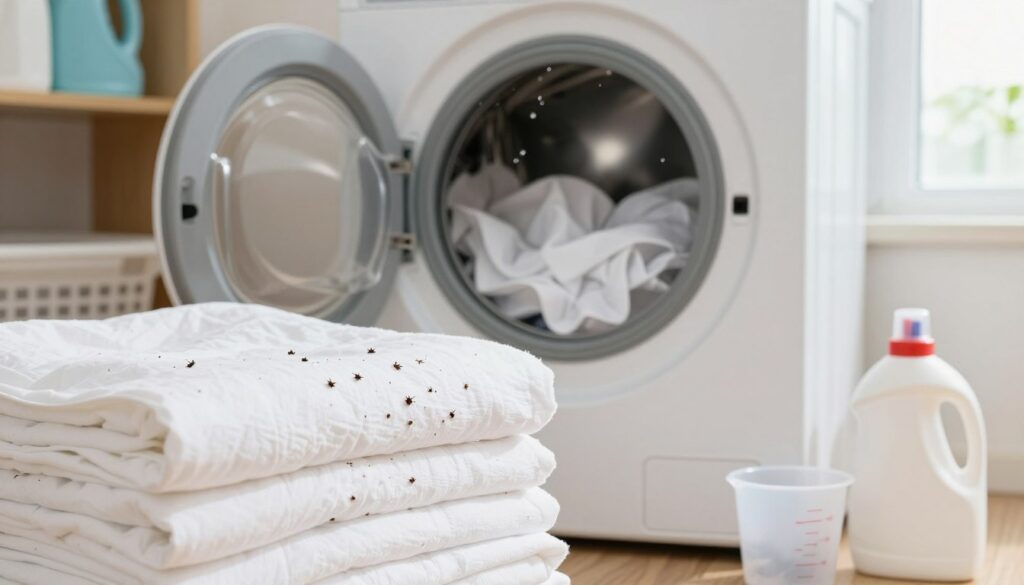
Stuffing the washing machine too full is a big mistake. When it’s too crowded, water and detergent can’t move around. This means the heat can’t reach all parts of the bedding.
Proper heat penetration is key. If sheets are bunched, the middle might not get hot enough to kill bugs. Wash smaller loads to make sure all fibers get the heat they need.
“The difference between success and failure in pest control often lies in the attention paid to the smallest details.”
Failing to Treat Pillows and Comforters
Many people only wash their bed sheets, ignoring pillows and comforters. These items are perfect hiding spots for bed bugs. If you don’t wash them too, you’re letting the problem continue.
When learning how to wash bed bug sheets, remember to treat the whole bedding set. Don’t use bug bombs or foggers in your bedroom. They can make the problem worse by spreading bugs into walls.
Instead, use consistent, high-heat cycles for all fabric items. Thoroughness is your best defense against these pests. By avoiding these mistakes, you can better fight off bed bugs.
When to Call Professional Exterminators
Laundry is a good start, but it might not be enough against a big infestation. You might wonder, will washing sheets get rid of bed bugs for good? The truth is, washing can kill bugs in your clothes, but it doesn’t reach the ones hiding in walls, baseboards, or mattress seams. If you rent, tell your landlord right away to treat the whole building.
Recognizing Signs of a Severe Infestation
Watch for signs that you need more than just DIY cleaning. If you keep getting fresh bites every morning, even after cleaning, you have a big problem. Look for dark spots on furniture and a sweet, musty smell in the room.
Seeing bugs during the day is a big warning sign. It means their hiding spots are full, and they’re coming out. At this point, getting professional help is key to stop the infestation from spreading.
Integrating Laundry Practices with Professional Treatments
You can keep cleaning even after getting an exterminator. In fact, washing your bedding on high heat is strongly suggested to help the treatment plan. Clean linens help keep pests away from your bed.
Make sure to sync your laundry with your exterminator’s schedule. They might ask you to keep items in bags or not move furniture until they check. This teamwork helps get the best results for your home.
Safety Precautions and Fabric Care
Learning how to wash sheets with bed bugs is just the start. It’s also key to protect your fabrics during washing. High heat kills pests, but some fabrics might shrink or lose shape if heated too much. Finding the right balance keeps your home pest-free and your favorite items safe.
Protecting Delicate Fabrics During High-Heat Cycles
Not all items can handle high heat. Delicate wool, plush toys, and structured shoes that can’t get wet should go in the dryer. Use the highest heat setting for at least 20 minutes to kill any pests.
Always check your bedding’s care labels before washing. If it says “dry clean only,” take it to a professional cleaner who knows how to handle heat. This way, you avoid damage while getting rid of pests.
Handling Chemicals Safely During the Cleaning Process
When washing sheets with bed bugs, you might think of using strong chemicals. But, it’s safer to keep detergents and additives away from kids and pets. Always follow the label’s instructions to avoid harmful fumes from mixing cleaning agents.
Make sure your laundry area has good air flow. If you’re using special pest-control laundry additives, wear gloves to avoid skin irritation. Keeping your space safe is as important as the cleaning itself.
| Fabric Type | Heat Tolerance | Recommended Treatment |
|---|---|---|
| Cotton Sheets | High | Wash and Dry (High Heat) |
| Wool Blankets | Low | Dryer Only (20 min cycle) |
| Synthetic Plush Toys | Medium | Dryer (High Heat) |
| Delicate Silk | Very Low | Professional Heat Treatment |
Conclusion
Starting to control your living space is easy with simple habits. You now know how to keep pests away with your laundry routine.
High-heat drying is your top defense against pests. Keeping up with cleaning helps keep your home safe and cozy.
If pests keep coming back, call experts like Orkin or Terminix. They can help solve tough problems.
By following these steps, you improve your life a lot. Keep your bedding clean and mattress protected for better sleep.
Teach your friends or family about these tips. Sharing helps everyone keep their homes healthier.